
South Africa’s Delivery Landscape: Delivery and Delivery Software
South Africa’s delivery landscape is undergoing a significant transformation, driven by the rising demand for efficient and innovative delivery solutions. As last-mile and on-demand delivery services expand across industries like retail, healthcare, and e-commerce, modern technology is paving the way for businesses to overcome unique infrastructural challenges.
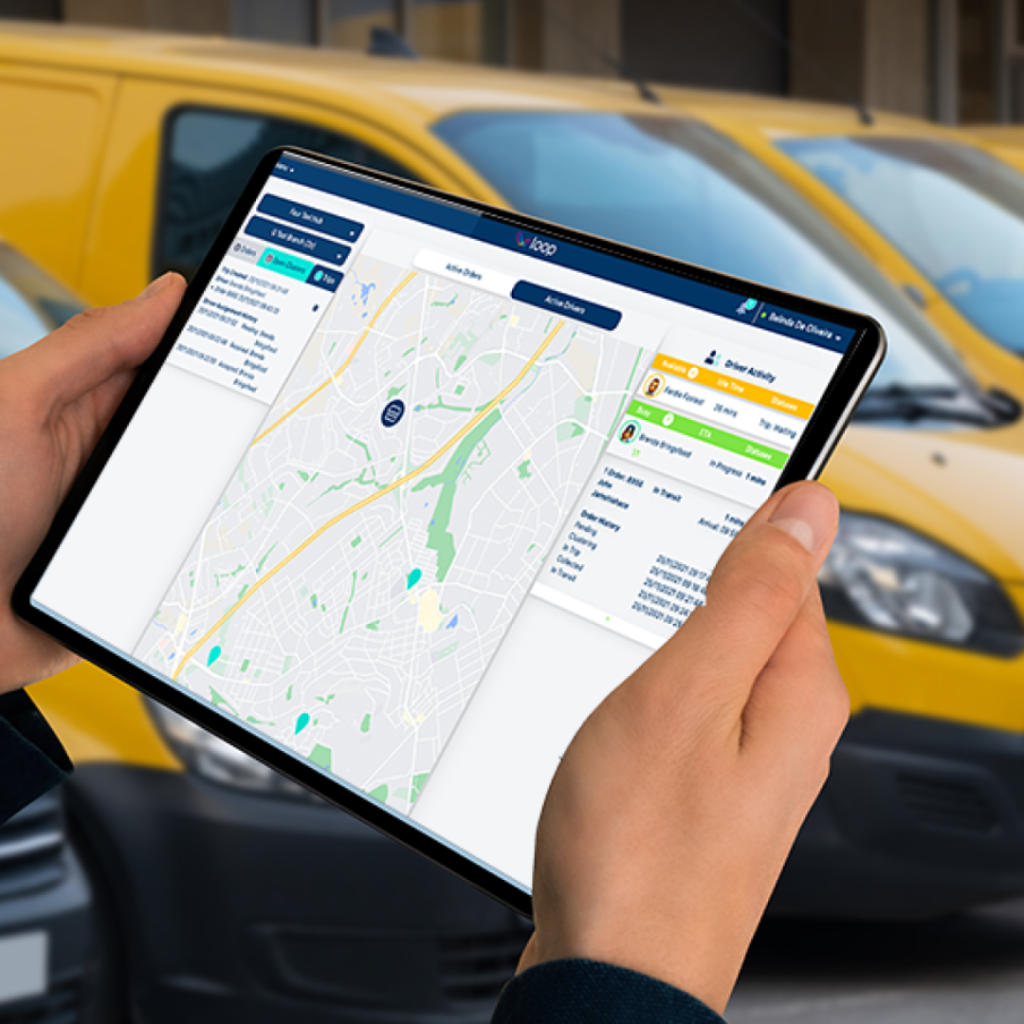
From substandard road conditions to unreliable technology infrastructure, South Africa’s logistics landscape poses distinct obstacles to seamless operations. Delivery software platforms, such as Loop, are addressing these issues with advanced tools, enabling businesses to provide faster, more reliable services to customers nationwide.
Tackling Infrastructure Challenges with Technology
South Africa’s infrastructure is a defining factor in delivery operations, with various challenges impacting efficiency and cost-effectiveness. However, advancements in technology are helping businesses navigate these obstacles and enhance logistics performance.
Road Quality: With 40% of provincial roads and 80% of national roads nearing the end of their design life, deteriorating road conditions can lead to vehicle wear and delays. Route optimisation software allows companies to navigate poor road conditions and minimise delays.
Address Accuracy: Informal settlements often lack precise address systems, but geolocation technology enables pinpoint accuracy, improving delivery efficiency.
Connectivity Issues: Load-shedding and patchy internet coverage pose challenges for operations. Offline functionality in driver apps ensures continuity, while load-shedding alerts support proactive planning.
Security Risks: GPS-enabled tracking enhances security for drivers and deliveries, providing real-time visibility and fast response times during emergencies.
Fuel Costs: Rising fuel pricers and environmental concerns make cost-effective logistics solutions increasingly important. Route optimisation and fleet management tools help reduce fuel consumption by reducing the kilometres driven.
A Growing Market for On-Demand Deliveries

On-demand delivery services, once primarily focused on food and e-commerce, have expanded to industries like healthcare, agriculture, and education. Pharmaceutical companies now deliver life-saving medication to underserved areas, addressing barriers such as unreliable transportation and access to healthcare. Similarly, agricultural suppliers leverage rapid delivery networks to provide small-scale farmers with essential tools, seeds, and fertilisers, helping them optimise production and improve food security.
Subscription delivery models are also gaining traction, offering convenience in sectors such as recipe kits, pet food, and skincare. These services are particularly impactful in a country where long working hours and limited access to transport hinder traditional in-store shopping. By providing reliable, recurring deliveries, subscription-based businesses build customer loyalty while meeting the demand for consistent, hassle-free service.
The surge in online shopping, with South Africa experiencing a 40% growth in just two years, highlights the increasing reliance on delivery services. Businesses of all sizes are adapting to consumers expectation by integrating smart logistics solutions. Platforms like Loop empower small and medium-sized businesses to compete effectively, offering scalable, technology-driven solutions that enhance operational efficiency, reduce costs, and extend market reach. As digital adoption continues to rise, the on-demand delivery landscape will play and even greater role in shaping South Africa’s commerce and service industries.
Driving Inclusivity and Economic Growth
Beyond convenience, delivery software holds the potential to address spatial inequality, providing underserved communities with better access to essential services. By reducing barriers related to location and infrastructure, these platforms promote greater inclusion across South Africa’s diverse population.
Studies suggest that on-demand delivery systems can reduce spatial inequality by up to 35%. With the right infrastructure improvements, delivery platforms can further bridge accessibility gaps and benefit all South Africans.
Looking Ahead
South Africa’s delivery landscape is poised for exciting growth. By addressing infrastructure challenges and integrating advanced delivery software, businesses can meet consumer demands for efficiency and reliability. Platforms like Loop are at the forefront of this transformation, equipping businesses with tools like route optimisation, real-time tracking, and offline functionality to ensure success in a challenging environment.